
Shipment and pickup handoff
Track how a sold item moves from seller packing to label, hub drop-off, pickup release, carrier scan, and issue documentation.
Seller Packing
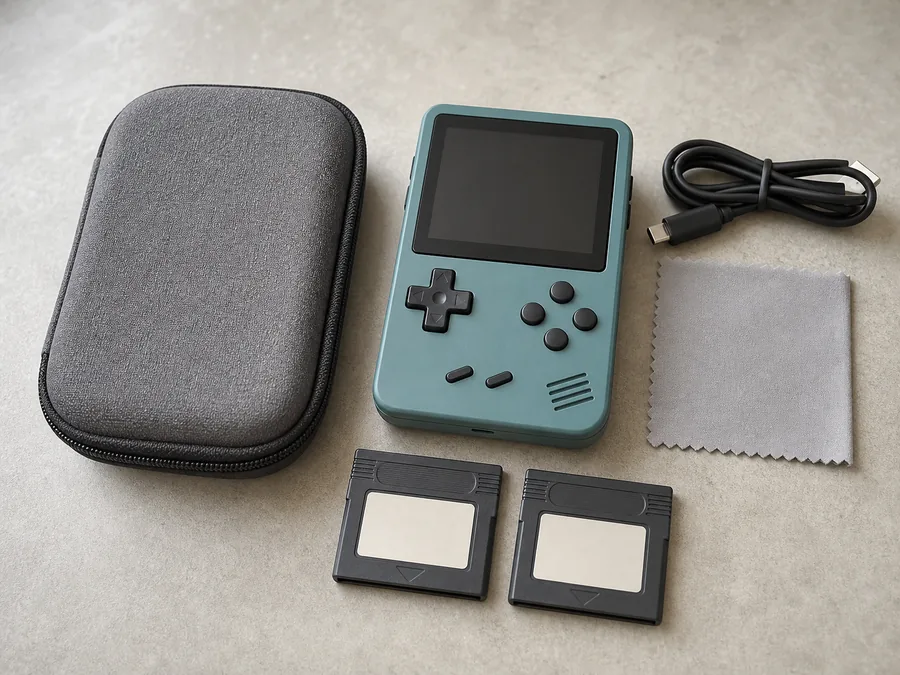
- Package checklist keeps box size, weight, accessory count, serial photo, condition photo, and packing method in one view.
- Fragile, high-value, graded, sealed, oversized, and local-pickup items carry different proof expectations.
- Seller notes stay attached to the order, support case, and handoff timeline.
Label Choice
- The internal tamper-evident item label and external carrier shipping label are separate controls with separate lifecycles.
- Service cards compare shipment speed, insurance, signature need, pickup eligibility, and estimated buyer arrival.
- Order value, category risk, hub intake status, and buyer handoff choice drive the recommended label state.
- Live carrier purchase belongs to a later service release and is not run by this demo page.
Tracking Timeline
- Timeline rows show label created, seller packed, hub accepted, carrier scanned, out for delivery, ready for pickup, and completed handoff.
- Late scan, damaged packaging, no-show pickup, and address issue states can open a support path.
- Buyer, seller, hub staff, and support each see the status labels that matter to their role.
QR Pickup
- Pickup release requires intact item-label scan, order and location match, staff confirmation, pickup window, final condition note, and a short-lived one-time buyer challenge.
- Expired, replayed, wrong-location, wrong-item, and broken-seal states block release and open an exception.
- Hub staff can attach release exceptions such as buyer no-show, damaged package, missing accessory, or ID mismatch.
- Completed pickup feeds the order timeline and review eligibility.
Insurance and Holds
- High-value items can show insurance recommendation, signature need, hub packing option, and release hold state.
- Open reports, missing scans, carrier damage, and hub exceptions connect to the settlement ledger.
- Operator review sees hold aging, service choice, support owner, and category impact.
Issue Documentation
- Damage and missing-item reports ask for packaging photos, item photos, tracking events, pickup notes, and seller response.
- Support can compare the original listing proof against handoff proof before release or refund review.
- Case history stays tied to the order and seller account.
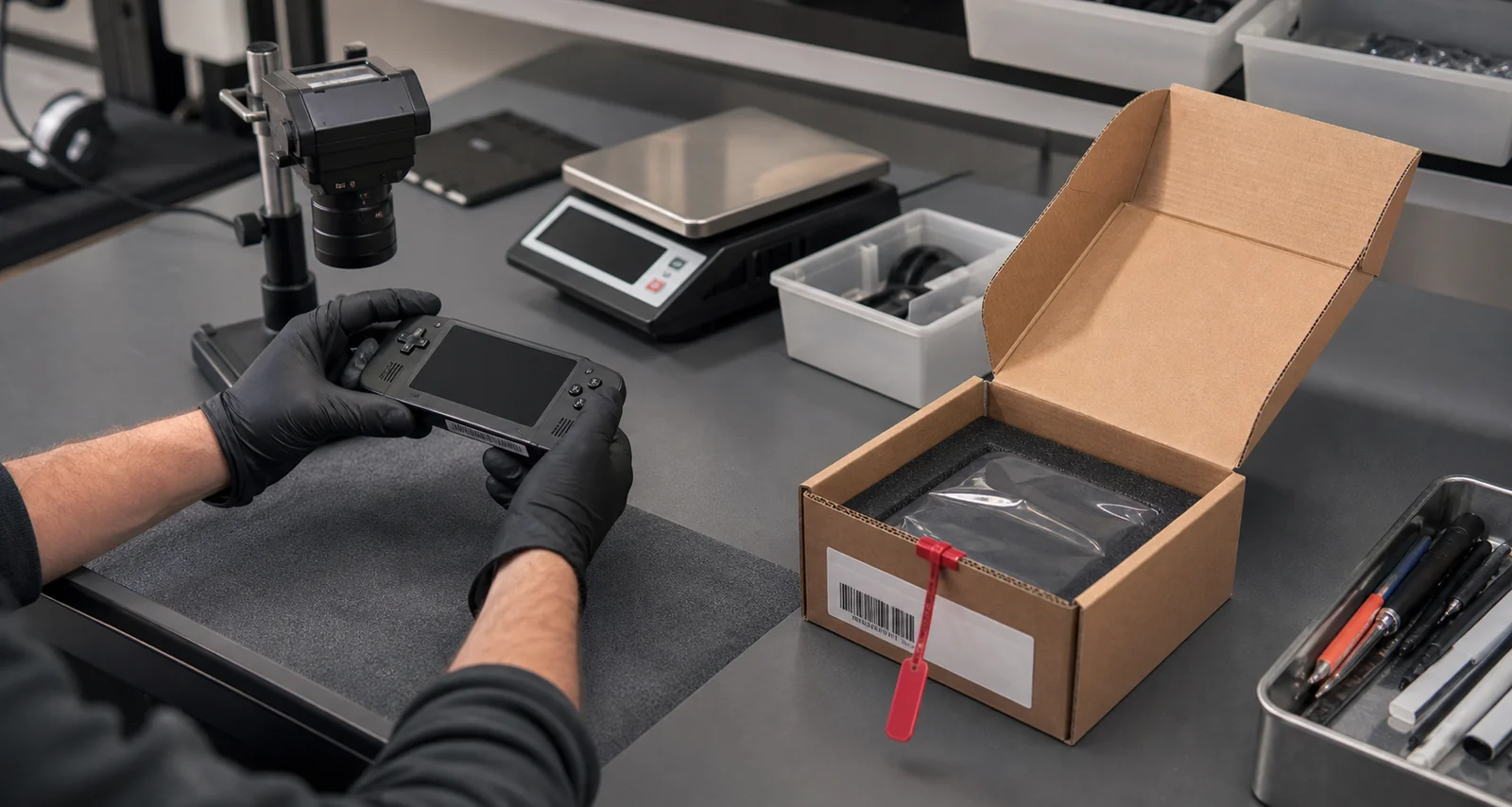
Item Security Labels
Opaque item references, seal states, relabel controls, custody scans, quarantine, and pickup release.
Seller Orders
Order queue, packing proof, pickup release, buyer messages, cancellations, reports, and payout holds.

Seller Shipping
Package presets, label review, carrier scans, hub drop-off, insurance, and issue handling.

Checkout Review
Cart items, shipment choice, hub pickup, local pickup, fees, and final order review.
Fulfillment Rules
Shipping, pickup, packing, tracking, report entry points, and handoff choices.
Shipping Rates
Service cards, seller discounts, package rules, insurance, address readiness, and carrier health.
Return Shipping
Return labels, hub drop-off, carrier scans, seller inspection, refund release, and owner approval.
International Shipping
Countries, customs, duties, restricted categories, return paths, and customer notices.
Delivery & Pickup
Carrier events, hub pickup, local pickup, QR release, issue handling, and launch review.
Insurance & Claims
Declared value, shipment damage, seller holds, evidence packets, and owner approval.

Media Evidence
Packing photos, label proof, hub images, report documents, and retention rules.
Order Tracking
Order history, status changes, handoff proof, review state, and report actions.

Settlement Ledger
Seller earnings, holds, refunds, release status, and finance review.
Current demo state
Handoff flow without carrier purchase.
The demo shows packing proof, label choice, tracking states, QR pickup release, insurance notes, and issue documentation while avoiding real carrier labels.
Future platform state
Live logistics requirements.
Launch needs carrier accounts, rate shopping, label purchase, tracking webhooks, address validation, pickup-code security, insurance claims, and refund reconciliation.