
Retail hub activation
Turn existing store locations into trusted resale points for counter intake, item checks, pickup release, packing, local events, support handoff, and rollout governance.
Counter Setup
- Activation starts with intake desk placement, lighting, photo surface, label printer, packing supplies, secure hold area, and customer signage.
- Counter scripts should explain accepted categories, prohibited items, service fees, pickup windows, and support expectations.
- Each location needs a visible hold path before sellers can drop off high-value items.
Staff Roles
- Store staff need separate responsibilities for seller intake, item photos, item checks, packing, pickup release, issue notes, and event support.
- Role permissions should limit who can approve condition notes, release pickup items, override holds, or close issue cases.
- Shift coverage should match auction closeouts, seller intake cutoffs, pickup windows, and local event traffic.
Intake Workflow
- Seller drop-off should capture item category, title, serial or certificate proof, accessory count, condition notes, reserve choice, and handoff preference.
- Weak evidence should route to repair before listing, promotion, auction close, pickup release, or shipment.
- Seller dashboard should show whether the item is checked in, waiting on photos, ready to list, or held for review.
Custody Trail
- Every item should keep a location, shelf, staff action, timestamp, condition snapshot, packing note, and release status.
- Custody events should be usable by buyers, sellers, support, and operators without exposing private staff notes.
- High-value items need exception notes for damage, missing accessories, rejected pickup, or insurance claims.
Pickup Desk
- Pickup release should verify order state, buyer confirmation, staff release, item snapshot, no-show rules, and issue window.
- Customers should see pickup hours, hold time, what to bring, item condition, and how to report a problem before leaving the location.
- Support should see the same release proof used by the buyer and the seller.
Packing Bench
- Packing templates should cover trading cards, consoles, graphics cards, sneakers, art prints, fragile home goods, and bulky local items.
- Shipment-ready items need packing photos, label state, insurance choice, carrier handoff, and exception routing.
- Location operators should see packing backlog before promising same-day shipment.
Event Desk
- Event-ready locations should support featured inventory, trade nights, auction close support, seller intake cutoffs, and pickup routing.
- Event lots need item proof, reserve status, seller terms, support owner, and post-event handoff plan.
- After each event, review sell-through, bid activity, pickup completion, support cases, and seller follow-up.
Launch Gate
- Each location needs owner approval for staffing, category coverage, equipment, custody rules, support routing, privacy boundaries, and rollback authority.
- Location rollback should freeze intake, pause local events, preserve item records, notify sellers, and keep pickup support staffed.
- Expansion should wait until route checks, support drills, and service health signals pass for the location group.
Network Rollout
Market scoring, hub tiers, seller cohorts, staffing, service gates, and rollback.
Hub Standards
Accepted categories, condition capture, fees, pickup release, packing, and events.
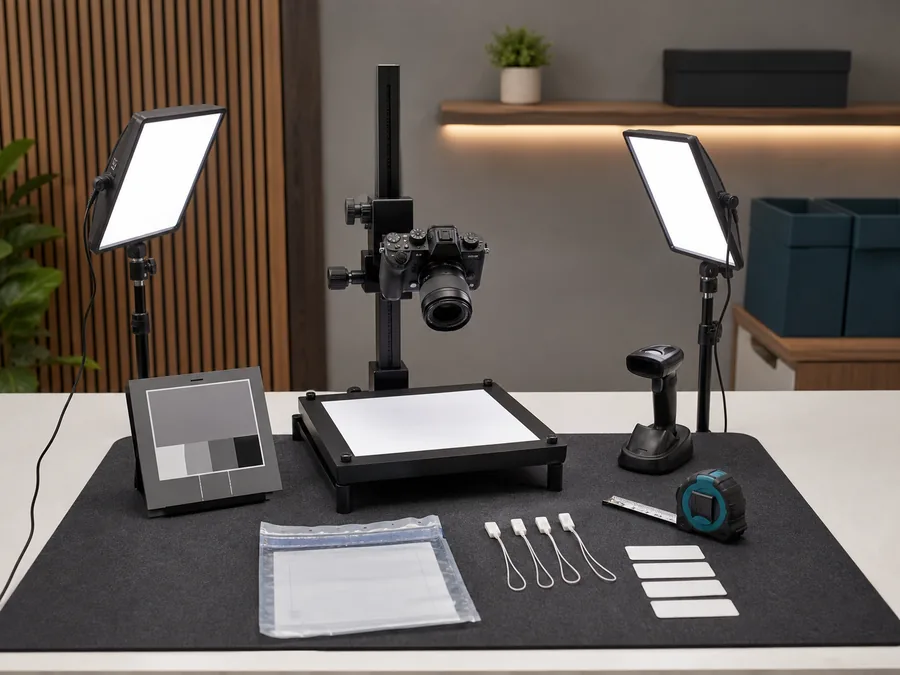
Intake Workflow
Counter checklist, item photos, packing notes, accepted categories, and release state.
Pickup Scheduler
Buyer windows, release proof, no-show rules, and handoff documentation.
Media Evidence
Listing photos, serial proof, certificates, hub intake images, and report documents.
Support Operations
Queue staffing, evidence handoff, response targets, refund authority, and appeals.
Employee Accounts
Hub staff roster, shift coverage, role boundaries, pickup release permissions, and access removal.
Current demo state
Retail hub activation is represented as an operator checklist.
The demo shows store-level setup, staff roles, intake, custody, pickup, packing, local events, support routing, launch gates, and rollback rules without collecting private employee, customer, or location data.
Future platform state
Live activation needs location systems and staff permissions.
Launch needs real store rosters, equipment tracking, shelf locations, staff permissions, custody events, pickup reservations, customer notices, carrier handoff, support coverage, and owner approval by location.