
Item evidence and checks
See what sellers provide, what a store can record, what buyers can inspect, and where a specialist review would still be needed.
Trading Cards
- Graded cards need slab photos, cert number, front, back, surface, corners, edges, and any label mismatch noted near the bid or price.
- Raw cards should show close condition photos, seller notes, and whether a hub check is available before a buyer relies on the listing.
- Certificate conflicts, reused card photos, or title-grade mismatch should route to catalog quality and risk review.
Electronics and GPUs
- Electronics need model, serial-area proof, port photos, accessory count, test notes, damage notes, and packing readiness.
- GPUs should show connector condition, fan state, bracket condition, benchmark or boot notes, and static-safe packing plan.
- Repeated serial photos, impossible prices, missing test notes, or mismatched images should pause visibility until reviewed.
Sneakers and Apparel
- Sneakers need box label, size tag, outsole, heel, stitching, insole, lace, and wear photos before higher-trust placement.
- Apparel should show tags, measurements, fabric condition, flaw closeups, and whether returns are accepted.
- Buyer-visible proof should explain what has been checked without implying a guarantee beyond the current demo page.
Retro Games
- Retro games and controllers need console fit, buttons, ports, labels, battery areas, screen state, cable count, and test result notes.
- Boxed items should show box edges, manuals, inserts, cart or disc, serial labels, and completeness notes.
- Hub checks can separate working condition, cosmetic condition, missing accessories, and packing risk.
Art and Collectibles
- Signed art, prints, figures, and collectibles need certificate proof, edition detail, dimensions, defects, packaging, and provenance notes.
- Fragile goods should show flat-pack, corner, frame, glass, or wrap condition before pickup or shipment is offered.
- Unclear provenance should stay visible as a condition note instead of becoming a stronger claim.
Hub Custody
- Hub-assisted items should show intake timestamp, counter photos, accessory count, condition notes, storage status, and release readiness.
- Staff-only notes should stay separate from buyer-visible proof and seller-facing correction requests.
- Custody gaps should block pickup release, shipment handoff, or event placement until the item record is corrected.
Buyer Evidence
- Listing detail should keep proof close to price, bid state, seller rating, handoff options, and report actions.
- Orders should preserve item snapshot, proof state, hub notes, packing photos, pickup record, and support case evidence.
- Reviews should be available only after purchase or auction win, with proof linked to the completed order.
Owner Approval
- Owners should approve category checklists, visibility rules, hub roles, proof wording, report requirements, retention, and appeal paths.
- Each category needs a clear launch rule for seller-only proof, hub-checked proof, rejected proof, and proof that needs correction.
- Launch should keep lower-risk browsing available while blocking only the action or item that lacks required evidence.

Condition Guide
Category proof, item photos, defects, serials, certificates, hub notes, and report evidence.

Hub Item Checks
Counter intake, serial checks, accessory counts, condition notes, and pickup readiness.
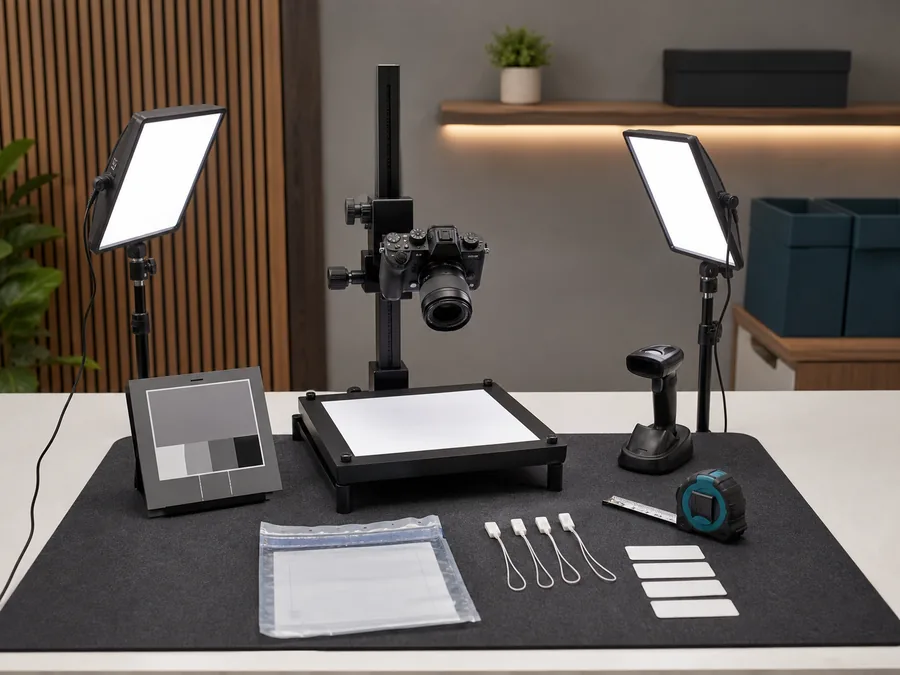
Hub Assurance
Custody steps, condition trail, proof photos, handoff status, and report evidence.

Media Evidence
Listing photos, serial proof, certificates, hub images, packing proof, and report documents.

Fraud Prevention
Account signals, listing risk, bid integrity, offer abuse, message safety, and hub evidence.
Seller Standards
Listing accuracy, fulfillment expectations, communication quality, reports, limits, and appeals.

Card Listing
Slab proof, bid history, reserve state, seller notes, pickup, and insured shipment.

GPU Listing
Bench-test notes, serial proof, auction state, hub pickup, and shipment readiness.
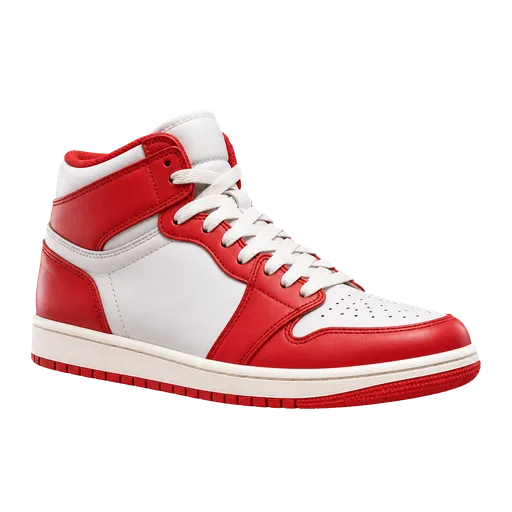
Sneakers
Size proof, box label, outsole photos, saved alerts, pickup today, and seller rating.
Current demo state
Authentication is shown through proof standards and route evidence.
The static demo represents category proof, hub checks, condition trails, seller evidence, buyer-visible status, and report context without accepting uploads or approving real items.
Future platform state
Live authentication needs trained reviewers and custody records.
Launch-ready service needs reviewer roles, category checklists, custody logs, rejection reasons, appeals, evidence retention, customer notices, and owner-approved thresholds.