
Listing quality review
Review how titles, images, categories, item attributes, variants, proof, duplicates, and repair workflows keep marketplace inventory trustworthy.
Category Fit
- Listings should land in the category buyers expect: cards, retro games, GPUs, sneakers, art, books, automotive, garden, home, or local pickup.
- Category fit should control required fields, proof prompts, search filters, item page layout, and hub intake rules.
- Misrouted listings should be repaired before they reach search, auctions, seller growth, or timed drops.
Required Attributes
- Trading cards need grade, certificate, surface notes, sealed state, signature status, and lot count where relevant.
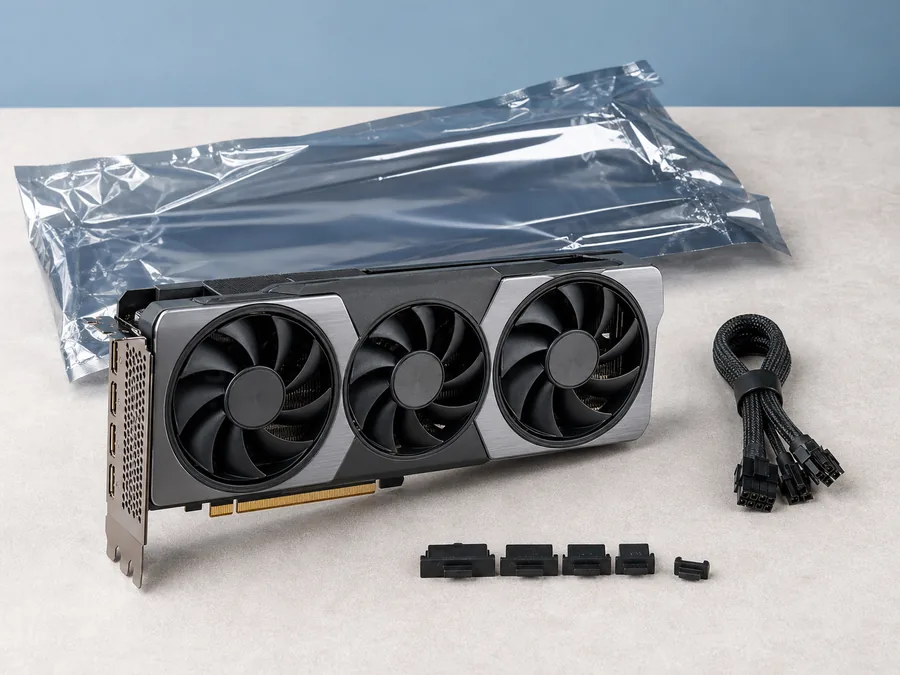
- Electronics need model, serial area, test state, ports, accessories, defects, power state, and packing choice.
- Sneakers, apparel, auto, home, books, and art need their own size, fitment, measurements, edition, material, or provenance fields.
Variants and Quantity
- Seller tools should separate true quantity from variants such as size, color, condition grade, bundle contents, or sealed/opened state.
- Variant rules prevent a single listing from hiding different conditions, accessories, or pickup requirements.
- Bulk imports should flag rows where quantity, SKU, variant, and photos do not match.
Duplicate and Conflict Checks
- Duplicate review should catch repeated titles, reused photos, copied serials, duplicate certificates, repeated SKUs, and suspiciously similar item notes.
- Conflict checks should catch title/category mismatch, image/title mismatch, condition conflicts, and unsupported handoff choices.
- Operators should see whether the fix is seller edit, hub intake, risk review, or removal.
Media Proof
- Image requirements should include cover photo, backs, defects, serials, labels, certificates, packaging, and included accessories by category.
- High-value items should show the exact proof buyers need near price, bids, handoff choice, and report rules.
- Media quality should affect search quality, seller coaching, report outcomes, and hub acceptance.
Listing Repair
- Repair paths should give sellers specific fixes: add serial photo, confirm grade, upload certificate, add measurements, correct category, or route to hub.
- Bulk repair should support filtered batches while preserving per-item proof requirements.
- Repair history should show owner, change, timestamp, reason, and whether the listing returned to buyers.
Search and Discovery Impact
- Catalog quality should improve filtering, saved-search matches, price guidance, comparable items, and search result explanations.
- Weak catalog quality should lower visibility until the seller fixes the item or support approves an exception.
- Category health should expose repeated missing attributes as seller education or import-template issues.
Owner Approval
- Owner review should approve required fields, category templates, restricted terms, duplicate policy, media rules, repair states, and launch thresholds.
- Catalog changes should record affected categories, seller impact, buyer impact, support notes, and rollback guidance.
- Launch should keep catalog quality visible beside search quality, listing creation, import workbench, and service health.
Listing Studio
Draft fields, media checklist, item specifics, pricing, handoff choices, and publish review.

Inventory Import
Catalog mapping, row repair, team review, hub routing, and publish controls.
Seller Inventory
SKU warnings, variant grouping, quantity states, draft repair, and relist readiness.
Search Quality
Ranking reasons, saved-search demand, category handoff, placement labels, and review.
Search Discovery
Phrase search, category filters, brand and model filters, radius, and proof cues.
Expanded Categories
Watches, memorabilia, antiques, industrial equipment, services, and owner approval.

Condition Guide
Category proof, item checks, report evidence, photos, serials, and defects.
Media Evidence
Listing photos, serial proof, certificates, hub images, packing proof, and report documents.
Search Indexing
Public page plan, private route rules, merchant page quality, and sitemap approval.

Marketplace Analytics
Demand, liquidity, category health, seller quality, support load, and finance signals.
Service Health
Storefront, search, checkout, hubs, messages, support coverage, and provider checks.
Current demo state
Catalog quality is represented as owner review.
The static demo shows category fit, required attributes, variants, duplicate checks, media proof, repair workflows, and owner approval without accepting live seller uploads.
Future platform state
Live catalog quality needs stored rules and review history.
A live marketplace needs category templates, attribute validation, duplicate detection, media processing, seller repair queues, exception approvals, audit history, and rollback controls.