
Hub network map
Hub network views show where local resale can be handled: intake, item checks, pickup windows, packing work, and event inventory.
Handoff path
From seller intake to buyer release
Hub pages show how an item moves through intake, checks, fee review, pickup scheduling, local events, and issue windows without representing a live location record.
1. Intake
Seller brings the item to a counter flow with photos, accessory count, and packing notes.
Start handoff.
2. Item checks
Category proof keeps cards, electronics, sneakers, and retro goods consistent.
Attach condition proof.
3. Fees & timing
Seller and buyer service lines stay visible before auction close or checkout review.
Review cost and timing.
4. Pickup
Buyer chooses a window, sees release rules, and keeps private details off listing pages.
Review handoff.
5. Events
Eligible inventory can move into local drops with intake cutoffs and pickup routing.
Follow local demand.
6. Issue window
Reports compare listing proof, hub notes, release proof, and order history.
Open from orders.

Retail Hub Activation
Counter setup, staff roles, custody, pickup, packing, events, and launch gates.
Network Rollout
Market selection, hub tiers, inventory seeding, staffing, and expansion gates.
Columbus East
Mon-Sat | same-day intake notes | Friday local drop
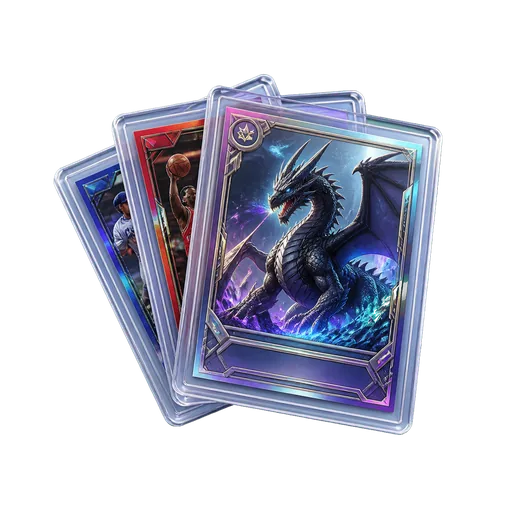
Chicago North
Tue-Sun | cards, sneakers, electronics | Sunday card drop
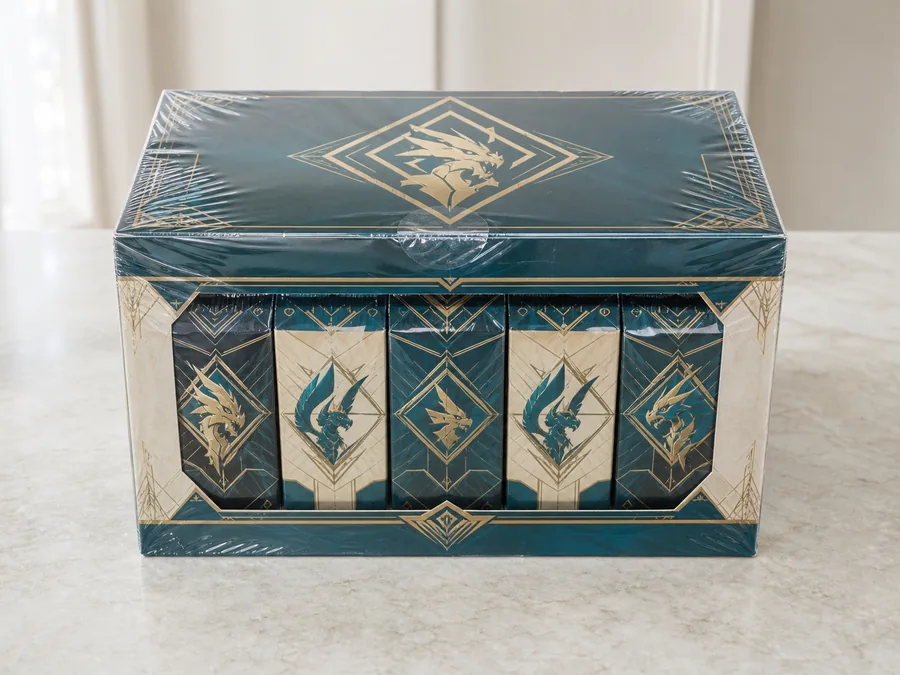
Timed Drop Queue
Watched lots, closing windows, seller intake, pickup routing
Pickup Scheduler
Buyer windows, release notes, no-show rules, handoff proof

Marketplace Analytics
Demand, liquidity, hub capacity, support pressure, and finance signals
Service Area Rules
- Each hub profile lists accepted categories, available windows, local drop activity, and pickup options.
- Search and saved alerts can surface nearby inventory without exposing private seller addresses.
- Bulky or high-value inventory can route to hub pickup instead of a direct meetup.
Capacity Signals
- Intake queue, packing queue, pickup holds, and event queue show whether a hub can take more items.
- Operator views need capacity pressure before sellers feel blocked or buyers miss windows.
- Service-level targets keep intake and pickup practical for local commerce.
Category Fit
- Trading cards, retro games, graphics cards, sneakers, collectibles, and local pickup items get different checklists.
- Restricted inventory is rejected before listing, auction, event, pickup, or promotion.
- Event pages group eligible inventory into timed, watchable local releases.
Current demo state
Inspectable hub network.
Service areas, accepted categories, intake capacity, pickup routing, and local drops are shown as customer and operator actions for choosing safe resale paths.
Future platform state
Launch hub operations.
Real addresses, staffing schedules, storage locations, custody records, pickup reservations, and location-specific support require connected services.