
Columbus East hub
Columbus East shows a handoff path for high-value resale with visible checkpoints: accepted categories, intake review, proof packet, pickup handoff, and issue windows.
Hub receipt snapshot
One item trail stays visible: seller intake accepted, proof packet built, buyer handoff ready, and issue window open. The same proof marker follows the lot through pickup, order, and report routes. The demo does not hold a real appointment or real custody.
Choose a hub path
Start with the side of the handoff you care about
The hub profile is the local front door. Buyers can review pickup, sellers can review intake, and both sides can see proof, timing, fees, and issue expectations before the next step.
Seller intake
See how a seller hands off a high-value item, what gets photographed, and what can pause the listing.
For sellers
Proof review
See category proof for cards, electronics, sneakers, retro goods, and local pickup items.
For buyers and sellers
Fees & timing
See service lines, pickup hold, packing choices, turnaround targets, and no-show rules.
Before checkout
Buyer pickup
Review selected window, release proof, hold rules, reschedule limit, and report entry point.
For buyers
Local events
Follow watched inventory into timed drops after intake, proof, reserve, and pickup routing are ready.
For event shoppers
Issue path
Preview how support compares listing proof, hub notes, seller messages, release state, and buyer documentation.
After an eligible order
Accepted Categories
- Trading cards, retro games, electronics, sneakers, collectibles, books, and small home goods.
- High-value items receive photo and condition-note prompts before pickup or shipment.
- Restricted items are rejected at intake and removed from marketplace flow.
- Each accepted category maps to one proof checkpoint that carries through to release and issue review.
Handoff sequence
- Seller intake confirms category, accessory count, and restricted-item status before handoff starts.
- Proof packet approval controls whether pickup or shipment can be selected.
- Buyer release checks route the order through hold windows, release proof, and report windows.
- Every successful checkpoint keeps the same handoff record visible in seller and buyer views.
- Issue windows open after release or no-show flow decisions with proof-backed context.
Seller Intake
- Start listing online, select hub intake, then follow the intake window shown in review.
- Counter flow records photos, accessory count, condition notes, packing status, and release rules.
- Fees, pickup rules, and seller choices stay visible during listing review.
Buyer Pickup
- Pickup windows appear during order review for eligible local items.
- QR release, handoff notes, and issue windows help document the handoff.
- Late, lost, damaged, or wrong item reports collect documentation from the order page.
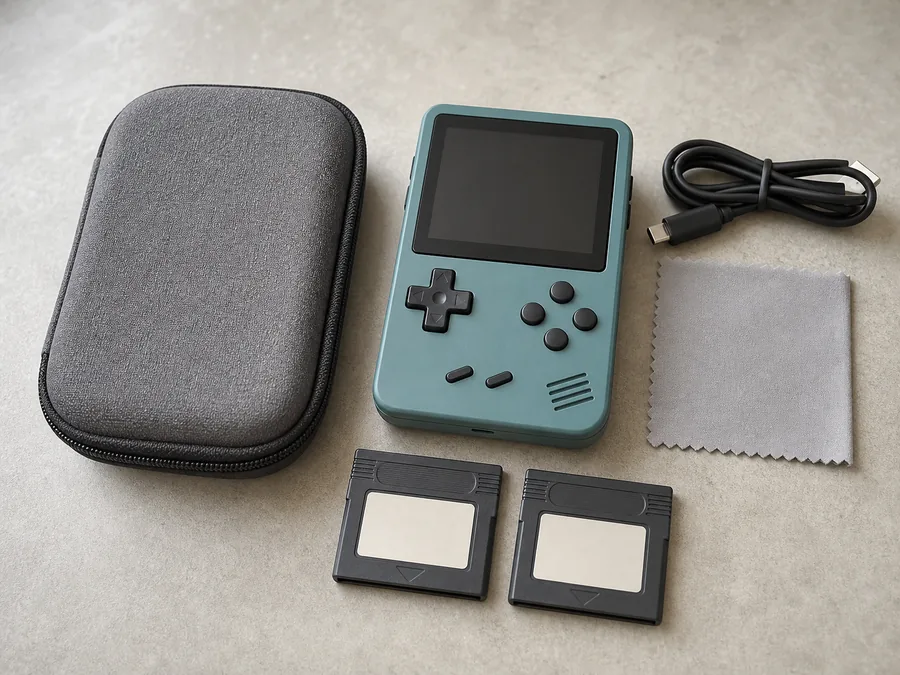
Restored pocket handheld bundle
Hub pickup | reserve met | 31 watching

Ergonomic mesh desk chair
$64 buy now | measured | same-day local pickup

Slate canvas high-tops
Sold | hub pickup completed | review ready

Pickup Rules
Documentation, release, late pickup, and item report expectations.
Hub Network
Service areas, intake capacity, pickup routing, and local drops.

Item Checks
Category-specific proof for cards, electronics, sneakers, and retro goods.
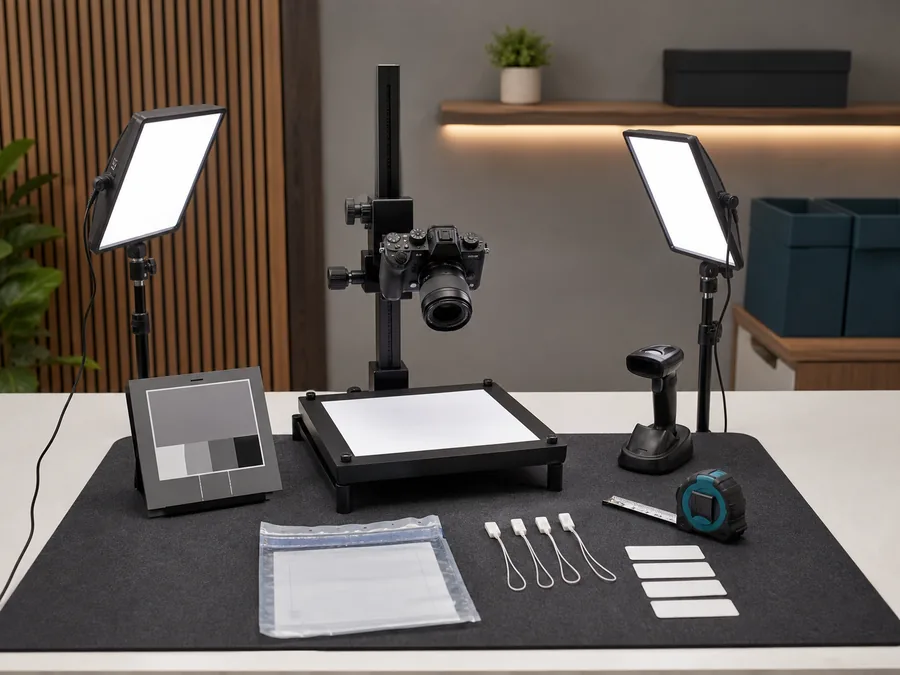
Assurance Passport
Item proof, custody steps, handoff status, and report evidence.
Pickup Scheduler
Windows, release notes, handoff proof, late pickup, and no-show rules.
Current demo state
Hub operations are represented as a local profile.
The demo shows service area, hours, accepted categories, intake notes, pickup windows, item checks, event inventory, and release rules.
Future platform state
Launch-ready hubs need staffing and custody controls.
Launch needs real locations, staff roles, item custody, liability terms, storage rules, packing standards, appointment capacity, and support ownership.